MNS 2027 - KEYNOTE SPEAKERS
The Mediterranean Neuroscience Society is delighted to announce the Keynote Speakers for the 11th MNS Conference, taking place in Tangier, Morocco, 5-9 June 2027.
This exceptional group of internationally renowned neuroscientists reflects the breadth of contemporary neuroscience—from neural development and synaptic function to pain, addiction, neuropeptide signalling and neuropsychiatric disorders.

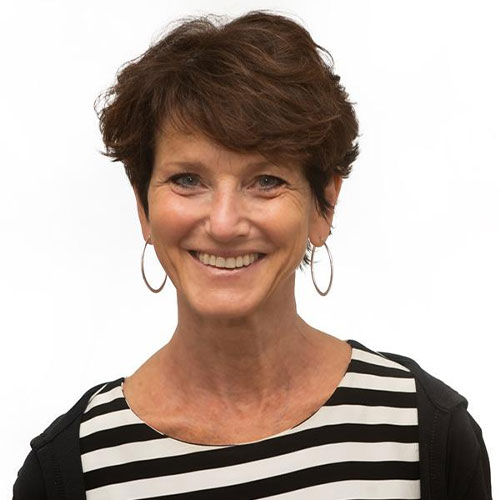 Paola Bovolenta — FENS Special Lecture | Spain Paola Bovolenta — FENS Special Lecture | Spain
Research Professor, Centro de Biología Molecular Severo Ochoa (CBM), CSIC-Universidad Autónoma de Madrid, Spain
Professor Paola Bovolenta is an internationally recognized developmental neuroscientist whose research explores the molecular mechanisms governing the development of the vertebrate nervous system, particularly the visual system, and how alterations in these mechanisms contribute to congenital abnormalities and neurodegenerative disease. She has held major scientific leadership positions within CSIC and served as a member of the European Research Council Scientific Council. ERC
Google Scholar - Paola Bovolenta
|

 David Belin — IBRO Special Lecture | United Kingdom David Belin — IBRO Special Lecture | United Kingdom
Professor of Behavioural Neuroscience, Department of Physiology, Development and Neuroscience, University of Cambridge, UK; Head, Cambridge Laboratory for Research in Impulsive/Compulsive Disorders (CLiC)
Professor David Belin investigates the neural, cellular and molecular mechanisms that determine individual vulnerability to impulsive and compulsive disorders. His work has made important contributions to understanding the transition from controlled drug use to compulsive drug seeking and the corticostriatal mechanisms underlying addiction and related neuropsychiatric disorders. PDN Cambridge
Google Scholar - David Belin
|
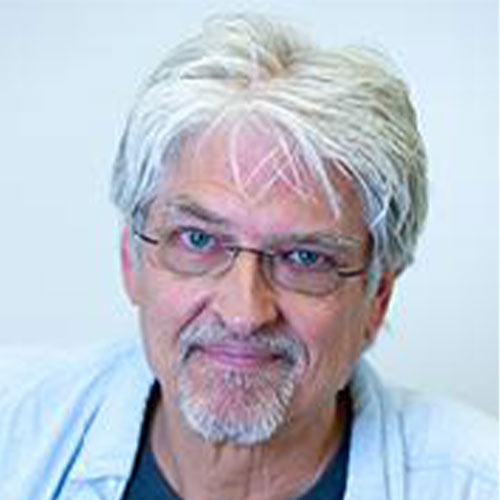 Lee E. Eiden - Keynote Lecture | USA Lee E. Eiden - Keynote Lecture | USA
Senior Investigator and Chief, Section on Molecular Neuroscience, National Institute of Mental Health (NIMH), National Institutes of Health (NIH), Bethesda, USA
Dr Lee E. Eiden is a leading authority on molecular and neurochemical signalling in the nervous system. His research has explored chemically coded neurotransmission, neuropeptides, vesicular neurotransmitter transport and the molecular pathways through which neuropeptide signalling regulates neuronal responses to stress, with particular emphasis on PACAP and cAMP-dependent signalling. NIH Intramural Research Program
Google Scholar - Lee E. Eidenn
|
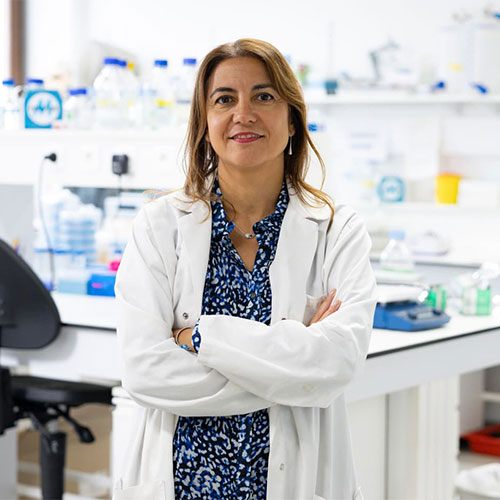 Ipek Yalcin - Keynote Lecture | France Ipek Yalcin - Keynote Lecture | France
Director of Research (DR1), CNRS, Institute of Cellular and Integrative Neurosciences (INCI), CNRS–Université de Strasbourg, France; Adjunct Professor, Université Laval and CERVO Research Centre, Canada
Dr Ipek Yalcin studies the interface between chronic pain and affective disorders, investigating how persistent pain alters brain circuits and promotes depression and anxiety. Her work integrates neuropharmacology, circuit neuroscience, optogenetics and translational approaches, with particular interest in the anterior cingulate cortex and the mechanisms underlying pain-associated emotional dysfunction. Cervo Research Center
Google Scholar - Ipek Yalcin
|
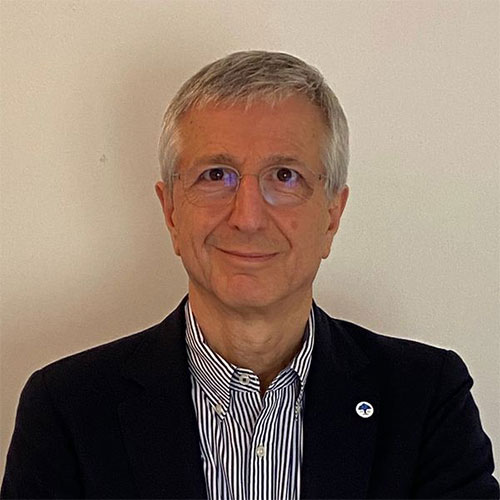 Fabio Benfenati - Keynote Lecture | Italy Fabio Benfenati - Keynote Lecture | Italy
Professor of Neurophysiology, University of Genoa; Research Director and Principal Investigator, Center for Synaptic Neuroscience and Technology, Istituto Italiano di Tecnologia (IIT), Genoa, Italy
Professor Fabio Benfenati is an internationally recognized neuroscientist whose research has focused on the molecular and cellular mechanisms of synaptic transmission and plasticity. His work spans synaptic vesicle biology and synapsins to neuronal excitability, neurodevelopmental disorders and emerging neurotechnologies. He is Professor of Neurophysiology at the University of Genoa and Research Director at IIT's Center for Synaptic Neuroscience and Technology. IIT
Google Scholar - Fabio Benfenati
|
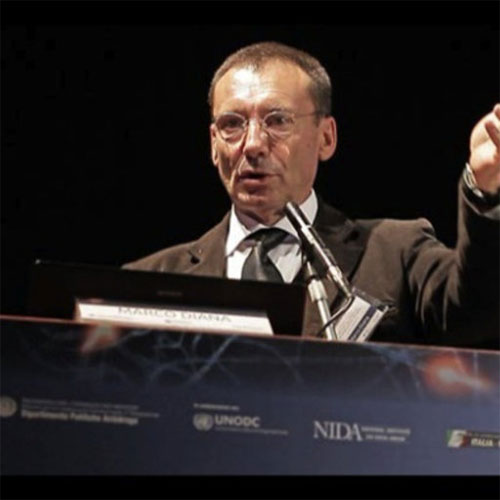 Marco Diana - MNS Special Lecture | Italy Marco Diana - MNS Special Lecture | Italy
Professor of Pharmacology, “G. Minardi” Laboratory of Cognitive Neuroscience, Department of Chemical, Physical, Mathematical and Natural Sciences, University of Sassari, Italy
Professor Marco Diana is a neuropharmacologist internationally known for his research on the neurobiology of addiction, particularly the role of mesolimbic dopamine and neuroplasticity in substance-use disorders. His research has also explored innovative therapeutic approaches to addiction, including repetitive transcranial magnetic stimulation (rTMS) and other neuromodulatory strategies. Chemistry and Science Department
Google Scholar - Marco Diana
|
 To offer you an ever better browsing experience, this website uses its own cookies and those of third parties like Facebook, Youtube or Stripe for PAYMENT WITH CREDIT CARDS. Third-party cookies may also be profiling cookies. Read our Cookie Policy to learn more.